 US | USD
 Canada | CAD

Tents
Sea to Summit's innovative engineering delivers ultralight backpacking tents that are user-friendly, adaptable to various conditions, and exceptionally livable.


Compare Products
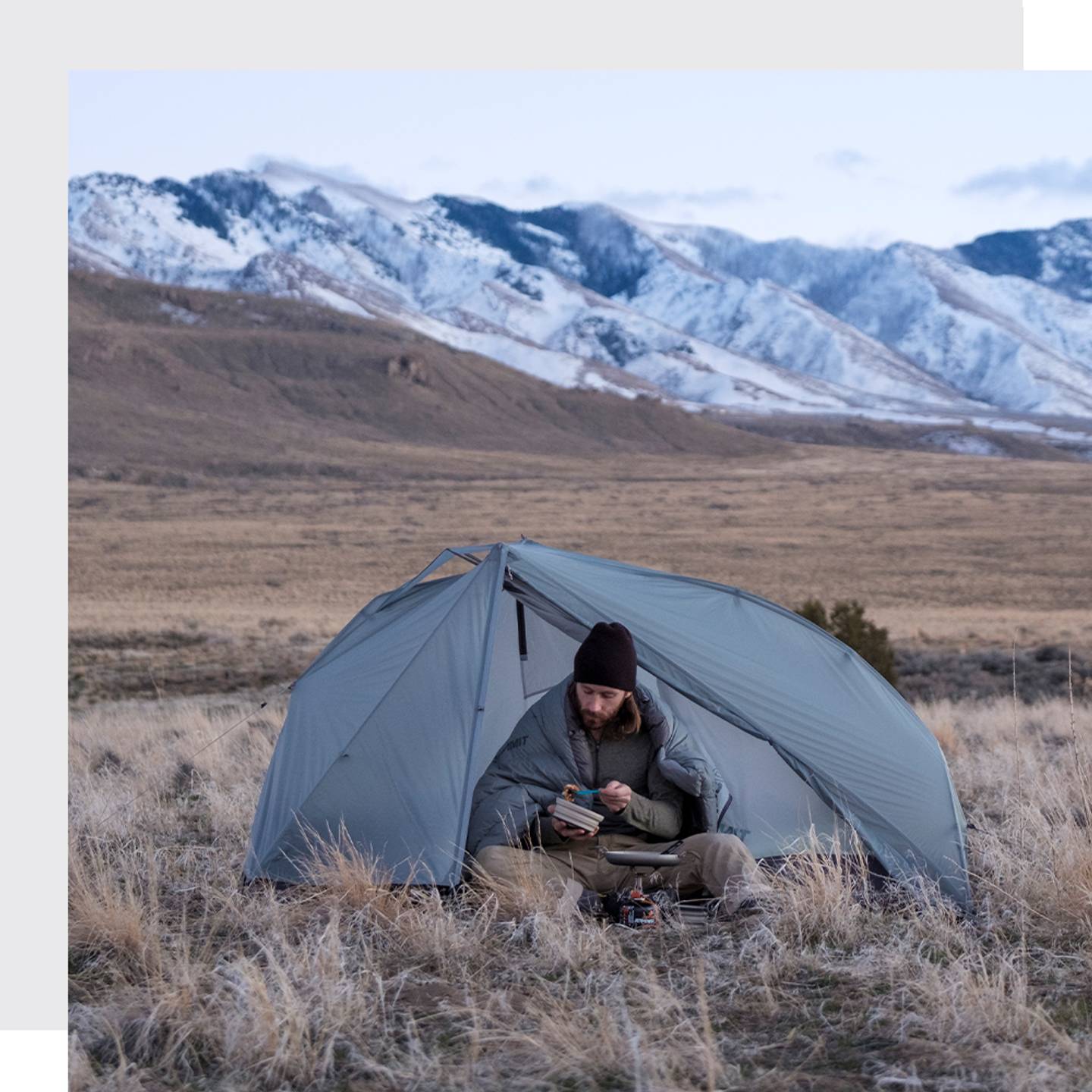
Details make the differenceUltralight Tents
What Makes a Tent Ultralight?
Ultralight design focuses on removing what you don’t need and refining what you do. Many designs utilize semi-freestanding builds to save weight without sacrificing performance.
- Streamlined materials: Advanced fabrics reduce weight while maintaining durability.
- Efficient pole structures: Minimal frameworks do more with less, keeping the shelter stable.
- Reduced packed size: These tents fit easily into smaller packs or shared loads.
- Purpose-built features: Every detail carefully considered, none of them accidental.
Many designs also lean toward semi-freestanding builds to save additional weight, without sacrificing performance in the field.
Best Uses for Ultralight Tents
Ultralight shelters shine when distance and efficiency are your top priorities. They are the ideal choice for those looking to cover ground and keep their pack lean.
- Multi-day backpacking: Less weight means more energy for the miles ahead.
- Thru-hiking: Keep your load manageable over weeks or months on the trail.
- Warm-weather trips: Versatile pitching options let you roll back the rainfly for stargazing, or convert to Hangout Mode for a semi-open shelter.
Weight vs. Space Tradeoffs
Weight savings and livability aren't mutually exclusive — but they do require deliberate design choices. A lower profile or tapered shape keeps grams down, while optimized floor plans and strategic ventilation make sure the space you have stays comfortable.
Designed with unique Tension Ridge Architecture, our Telos and Alto tents have greater overall ceiling height, near-vertical walls, and higher doors. This has also allowed us to put our oversized Apex Vent at the highest point of the tent to more effectively expel hot air and moisture vapor – significantly reducing condensation. Both tents offer multiple set-up configurations, and our Telos tents can be used in Hangout Mode, which converts your tent's fly into a semi-open shelter.
Browse our range of ultralight, 1, 2, and 3-person backpacking tents online above and get FREE shipping US-wide on orders over $50.
 Australia
 China
China
 India
India
 Austria
 Belgium
 Czechia
 Denmark
 France
 Germany
 Italy
Italy
 Luxembourg
 Netherlands
 Norway
 Spain
Spain
 Sweden
 Switzerland
 United Kingdom